
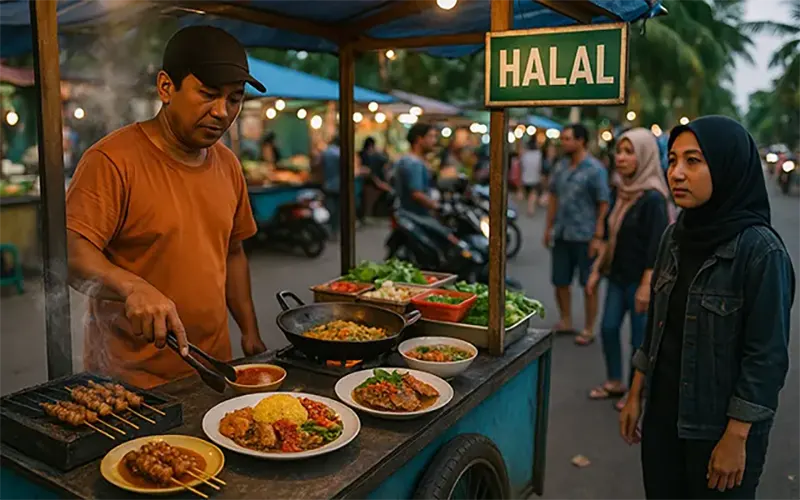
Bali is a dream destination. From the emerald rice terraces of Ubud to the crashing waves of Uluwatu, the “Island of the Gods” offers a slice of paradise that attracts millions of visitors every year.
However, for Muslim travelers, booking a ticket to Bali often comes with a side serving of anxiety. Unlike the rest of Indonesia, which has the world’s largest Muslim population, Bali is predominantly Hindu. The local culinary icon is Babi Guling (roast suckling pig), and pork is a staple in many traditional households and ceremonies.
A common fear sets in: “Will I have to survive on fast food and instant noodles for my entire trip?”
The answer is a resounding no.
While caution is necessary, Bali is actually incredibly Muslim-friendly. Thanks to a thriving community of local Balinese Muslims, a huge influx of domestic tourists from Java, and a hospitality industry eager to welcome everyone, you can experience authentic, mouth-watering Balinese flavors without compromising your faith.
Here is your essential guide to navigating the culinary landscape of Bali with confidence.
Navigating the Scene: Understanding “Halal” in Bali
To eat confidently in Bali, you need to understand the landscape. Unlike in Malaysia or Saudi Arabia where Halal is the default, in Bali, you need to look for specific cues. Establishments generally fall into three categories. Understanding these distinctions will help you decide where you are comfortable eating based on your personal adherence.
1. MUI Certified Halal
This is the gold standard. These restaurants have gone through the rigorous testing and inspection process by the Indonesian Ulema Council (MUI) and display the official green Halal logo.
- Where to find them: Major fast-food chains (KFC, McDonald’s), large hotel restaurants, and some established local franchises like Wong Solo or Ayam Betutu Khas Gilimanuk.
2. Muslim-Owned (“Warung Muslim”)
This is the most common category for authentic local food. These are small eateries (warungs) owned and operated by Muslims (often migrants from Java, Lombok, or local Balinese Muslims). They may not have the expensive official certification, but the food is prepared according to Islamic principles, and no pork is present.
- How to spot them: Look for signs that say “Warung Muslim,” “Masakan Jawa” (Javanese Cuisine), or “Banyuwangi.” Staff wearing hijabs and Islamic calligraphy (like Bismillah) on the walls are clear indicators.
3. “No Pork, No Lard”
This category is common in hip cafes, beach clubs, and tourist restaurants in Seminyak or Canggu. They cater to international crowds and do not serve pork to be inclusive.
- The Caveat: Many of these places serve alcohol (beer and cocktails). While the food ingredients may be halal-friendly (chicken, beef, seafood), the kitchen shares the space with alcohol, and the environment is not strictly Halal. Whether you are comfortable dining here depends on your personal level of strictness.
Beyond Nasi Padang: Must-Try Halal Balinese Dishes
A common mistake Muslim travelers make is sticking solely to Nasi Padang restaurants. While delicious, Padang food is from Sumatra, not Bali. You came to Bali to taste Bali.
Here are the authentic local dishes that are safe to eat:
1. Ayam Betutu & Bebek Betutu This is the holy grail of Balinese flavor. Whole chicken (Ayam) or duck (Bebek) is rubbed with Base Genep (a complex spice paste featuring turmeric, ginger, galangal, chili, and shrimp paste), wrapped in banana leaves, and slow-cooked for hours until the meat falls off the bone.
- Halal Note: While traditional versions can be cooked alongside pork, there are many dedicated Halal restaurants that specialize solely in this dish.
2. Sate Lilit (The Fish Version) Unlike the skewered chunks of meat found elsewhere, Sate Lilit is made from minced meat mixed with grated coconut, coconut milk, and spices, then wrapped around a bamboo stick or lemongrass stalk.
- Halal Note: The most traditional version is pork (Babi). However, Sate Lilit Ikan (Fish) is equally famous and traditional, especially in coastal areas. Always confirm: “Ini Sate Ikan atau Ayam?” (Is this fish or chicken satay?).
3. Jimbaran Seafood You cannot visit Bali without a sunset dinner on Jimbaran Bay. Rows of restaurants set up tables on the sand, serving fresh caught snapper, grouper, clams, and squid grilled over coconut husks.
- Halal Note: Seafood is naturally Halal. The marinade is typically a mix of spices and sweet soy sauce. It is generally very safe, but avoid places that serve pork ribs on the same menu to prevent cross-contamination.
Where to Eat: 4 Essential Halal Spots
To get you started, here are four legendary spots that are widely recognized as safe for Muslim travelers, ranging from humble street food to nice dining.
1. The Local Legend: Warung Mak Beng (Sanur)
Establish in 1941, this iconic warung is located near Sanur beach. It is proof that you only need to do one thing well to be successful.
- The Menu: They serve only one set menu: Fried Fish, Fish Head Soup, Rice, and their legendary spicy Sambal.
- Why go: It is Halal-friendly (fish only), authentic, packed with locals, and offers a true taste of Balinese coastal cuisine. Be prepared to wait in line!
2. The Authentic Experience: Ayam Betutu Khas Gilimanuk
If you want to try the famous Betutu chicken or duck without worrying about pork in the kitchen, this is your safest bet. It is a reputable chain with outlets in Tuban (near the airport), Kuta, and Denpasar.
- The Menu: Spicy Ayam Betutu served with Plecing Kangkung (spicy water spinach) and fried peanuts.
- Why go: It is MUI Halal certified (check individual outlets as status can update) or strictly Muslim-run, offering the real heat and spice of Bali in a safe environment.
3. The Ambience: Bale Udang Mang Engking (Kuta & Ubud)
If you are on your honeymoon or traveling with a large family and want a beautiful “sit-down” dinner, this is the place.
- The Menu: Focuses on Prawns (Udang) and fresh seafood cooked in Sundanese (West Java) and Balinese styles. The “Honey Grilled Prawns” are famous.
- Why go: The architecture is stunning. You dine in bamboo huts floating over a large fish pond. It provides a peaceful, atmospheric dining experience that is strictly Halal (often equipped with a prayer room/Musholla).
4. The Late Night Staple: Nasi Pedas Bu Andika (Kuta)
Located near the famous Joger souvenir shop, this spot is legendary among domestic tourists and night owls.
- The Menu: “Nasi Pedas” means “Spicy Rice.” It is a cafeteria-style setup (Nasi Campur) where you point at what you want—fried chicken skin, beef rendang, spicy tempeh, corn fritters—and they slather it in their signature lethal sambal.
- Why go: It is open 24 hours, completely Halal (no pork served), and offers a chaotic, delicious, and cheap street food experience.
Practical Tips for the Road
- Learn the Magic Phrase: When you sit down at a generic warung that looks open-air, simply ask: “Ada Babi?” (Is there pork?). If they say yes, simply smile, say thank you, and move on.
- Look for the “Musholla”: Restaurants that provide a Musholla (prayer room) are almost guaranteed to be Halal, as they are catering specifically to Muslim patrons.
- Use Technology: Google Maps is your best friend in Bali. Searching “Halal food near me” yields surprisingly accurate results.
- Visual Cues: In traditional Balinese Hindu warungs, you might see small offerings (Canang Sari) placed directly on the food counter. In Muslim warungs, the counter is usually clear of offerings, and you may hear the radio tuned to a religious station or see calendars from local mosques.
Bali is a place of tolerance and beauty. With a little bit of research and these recommendations in your pocket, you can explore the island’s culinary delights with an open heart and a full stomach. Enjoy your trip to paradise!