From Liquid to Sphere: The Art and Science of Spherification

From Liquid to Sphere: The Art and Science of Spherification

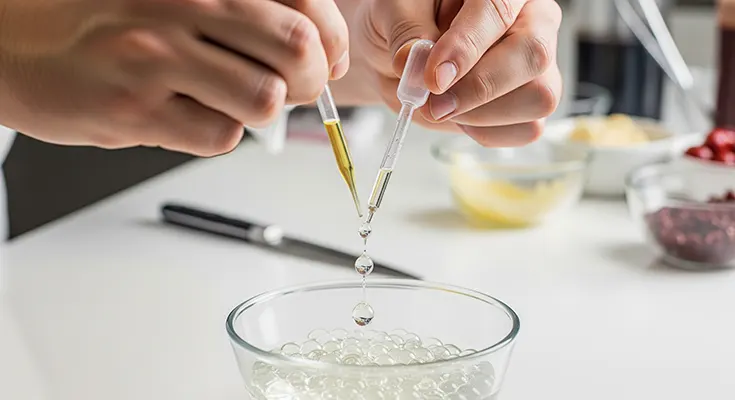
Spherification is arguably the most iconic and visually stunning technique to emerge from the world of molecular gastronomy. It is a process that transforms a liquid into a sphere that bursts in the mouth, releasing a concentrated burst of flavor. While the result may seem like a magical feat of culinary alchemy, the science behind it is an elegant and accessible chemical reaction between two key ingredients: sodium alginate and a calcium solution.

The Core Ingredients: Sodium Alginate and Calcium

The heart of spherification lies in the interaction between a hydrocolloid and a mineral.

  • Sodium Alginate: This is a natural polysaccharide extracted from brown algae. When dispersed and hydrated in a liquid, it forms a viscous solution.
  • Calcium Ions: Calcium is a mineral essential for this reaction. Common sources of calcium in spherification are calcium lactate, calcium chloride, or calcium gluconate.

The fundamental principle is that when a solution containing …

View More From Liquid to Sphere: The Art and Science of Spherification
From Clinic to Kitchen: The Principles of a Culinary Medicine Program

From Clinic to Kitchen: The Principles of a Culinary Medicine Program

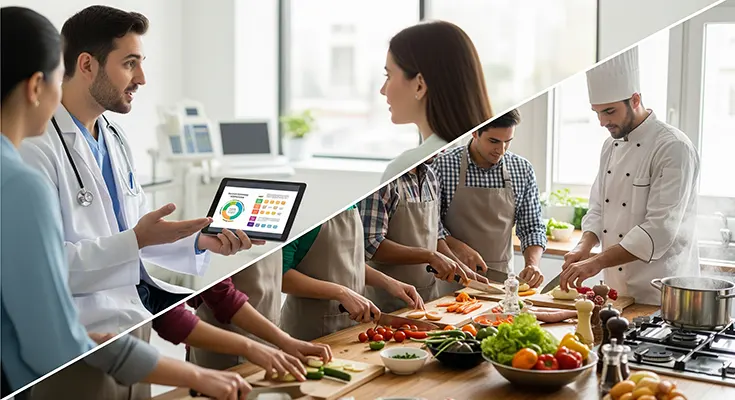
Culinary medicine is an emerging, evidence-based field that bridges the gap between conventional medical advice and the practical realities of eating. It goes beyond simply telling a patient what to eat, instead providing them with the knowledge and skills to make informed, sustainable food choices that can prevent, manage, and even reverse chronic diseases. For healthcare clinics, establishing a culinary medicine program is a powerful way to empower patients and improve health outcomes. While the specific blueprint for such a program will vary, its core principles and components remain consistent.

The Foundational Concept: Blending Art and Science

At its heart, culinary medicine is about translating the science of nutrition into the art of cooking. Instead of a sterile lecture on macronutrients, a program might involve a hands-on cooking class where a physician and a chef demonstrate how to prepare a delicious, heart-healthy meal. The goal is to move beyond abstract …

View More From Clinic to Kitchen: The Principles of a Culinary Medicine Program
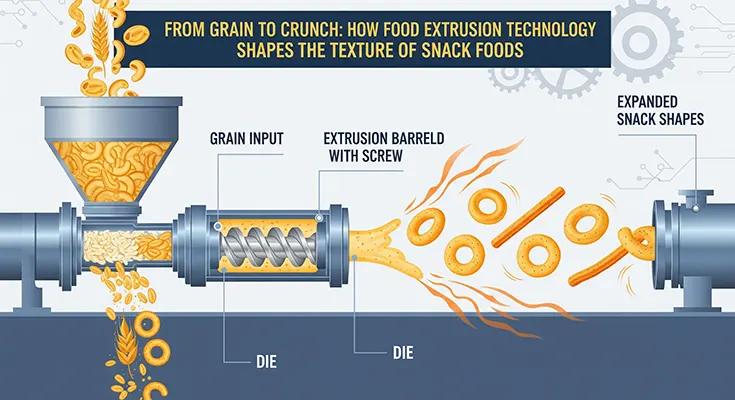
From Grain to Crunch: How Food Extrusion Technology Shapes the Texture of Snack Foods

From Grain to Crunch: How Food Extrusion Technology Shapes the Texture of Snack Foods

Take a moment to consider the satisfying crunch of a puffed cheese curl, the airy crispness of a breakfast cereal, or the uniform shape of a granola bar. These familiar textures are not the result of simple baking or frying; they are the result of a sophisticated and versatile process known as food extrusion. This technology has become the cornerstone of modern snack food production, transforming basic ingredients into a vast array of shapes, sizes, and, most importantly, textures.

The Science of Extrusion: A High-Pressure Transformation

Food extrusion is a process where a mixed ingredient system—typically a dough or paste—is forced through a die, which is a small opening or mold, under a combination of high heat, pressure, and shear. The process takes place within a machine called an extruder, which consists of a long barrel with a rotating screw. As the screw turns, it continuously mixes, heats, and kneads …

View More From Grain to Crunch: How Food Extrusion Technology Shapes the Texture of Snack Foods
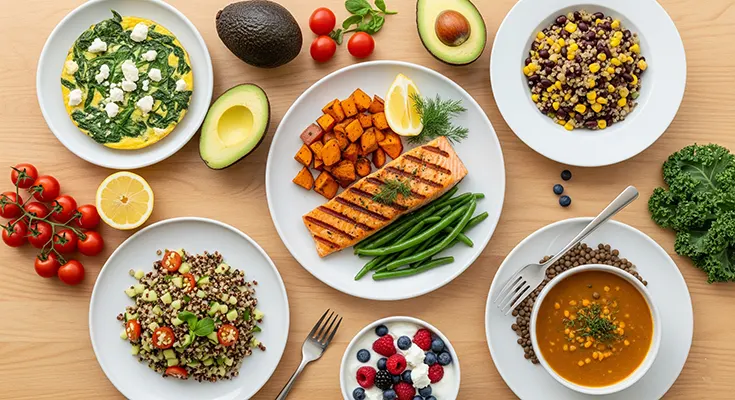
Culinary medicine recipes for managing type 2 diabetes

Culinary medicine recipes for managing type 2 diabetes

Diet plays a critical role in the management of many chronic diseases. It is well known that individuals with type 2 diabetes (T2D) need to pay close attention to foods rich in carbohydrates to better manage their blood sugar. Usually, individuals are told to increase their dietary fiber intake which is associated with better glycemic control and limit their overall carbohydrate consumption. However, there are many other cooking strategies available to reduce the glycemic response to meals rich in carbohydrates and with a high glycemic index, such as adding fats, proteins, or vinegar, modifying the cooking or preparation processes, and even the selection and storage of foods consumed. The aim of the present narrative review is to summarize some of these existing strategies applied to the cooking process and their ability to modulate glycemic response to meals in individuals with T2D.

The increase in the global prevalence of type 2 …

View More Culinary medicine recipes for managing type 2 diabetes
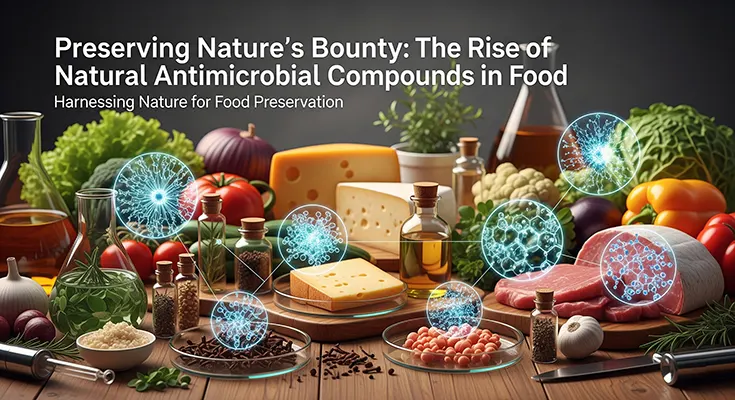
Preserving Nature's Bounty: The Rise of Natural Antimicrobial Compounds in Food

Preserving Nature’s Bounty: The Rise of Natural Antimicrobial Compounds in Food

In an era of growing consumer demand for “clean label” products and a move away from synthetic additives, the food industry is turning to an ancient-yet-innovative solution: food preservation using natural antimicrobial compounds. These powerful substances, derived from plants, animals, and microorganisms, are proving to be a safe, effective, and sustainable way to extend the shelf life of food, reduce waste, and enhance food safety without compromising flavor or quality.

The Challenge of Spoilage

Food spoilage is a complex process primarily caused by the growth of microorganisms such as bacteria, yeasts, and molds. These microbes break down the food’s components, leading to undesirable changes in texture, taste, and smell. Traditional preservation methods, like high heat, salting, or chemical preservatives, have long been used to combat this, but they can sometimes degrade nutritional content or be perceived as “unnatural” by consumers. This has paved the way for a new generation of …

View More Preserving Nature’s Bounty: The Rise of Natural Antimicrobial Compounds in Food