Jakarta Street Food Guide

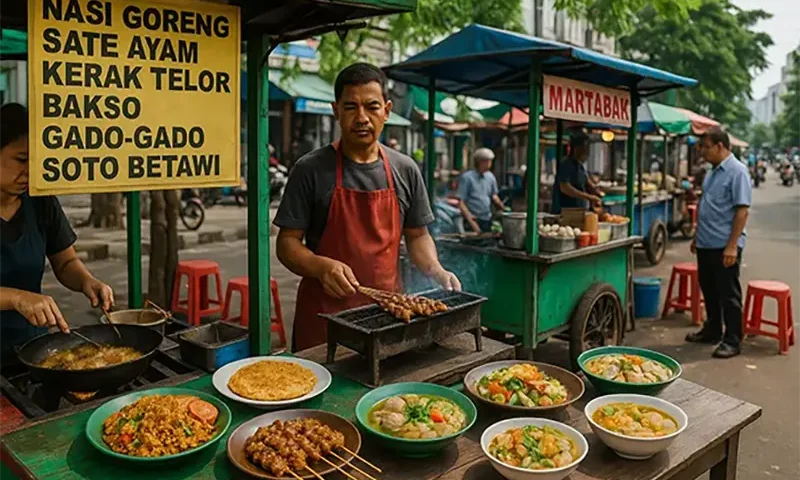
Jakarta Street Food Guide: 7 Must-Eat Dishes for First-Time Visitors

Jakarta is a city that assaults the senses in the best way possible. It is hot, it is loud, and the traffic is legendary. But cut through the humidity and the exhaust fumes, and you will find the true perfume of the city: the smell of charcoal smoke fanned over grilling chicken, the sizzle of woks hitting high heat, and the sweet aroma of roasting dough.

For the uninitiated, Jakarta can feel intimidating. The city is a sprawling megalopolis of 10 million people, a melting pot of cultures from across the Indonesian archipelago. While the gleaming malls of Grand Indonesia or Plaza Senayan offer air-conditioned comfort and international chains, the soul of Jakarta lives on the street.

The street food vendors, known locally as Kaki Lima (literally “five legs,” referring to the three wheels of the cart plus the two legs of the vendor), offer some of the most complex, …

View More Jakarta Street Food Guide: 7 Must-Eat Dishes for First-Time Visitors
Authentic Indonesian Beef Rendang

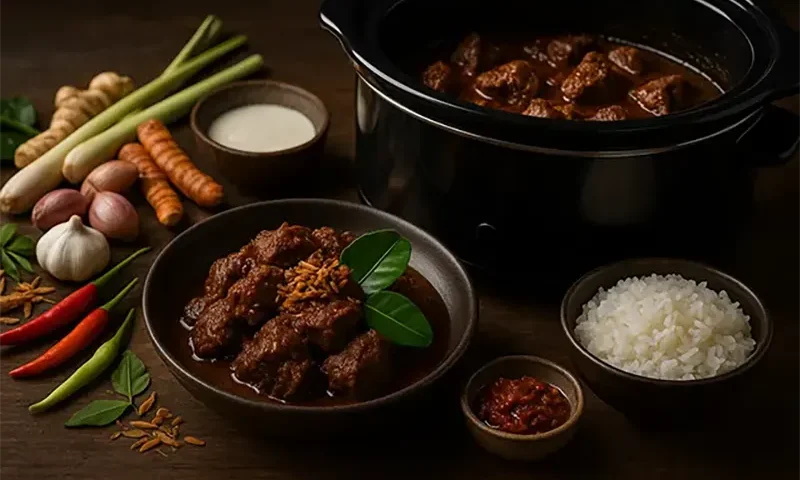
Authentic Indonesian Beef Rendang: The Ultimate Slow Cooker Hack

If you ask any Southeast Asian culinary expert what the crown jewel of Indonesian cuisine is, the answer is almost universally the same: Beef Rendang.

It’s a dish that transcends mere sustenance. Hailing from the Minangkabau ethnic group of West Sumatra, Rendang is a cultural icon, frequently topping global lists of the “world’s most delicious foods.” It is intensely aromatic, deeply savory, spicy, and features beef so tender it practically dissolves on the tongue.

Traditionally, achieving this nirvana of flavor requires immense patience. It involves standing over a hot wok over a wood fire for four to six hours, constantly stirring coconut milk until it completely evaporates, leaving the meat to fry in its own residual spicy oil.

In a modern, busy kitchen, spending six hours hovering over a stove isn’t always feasible. But does that mean you have to miss out on authentic flavor? Absolutely not.

By utilizing the …

View More Authentic Indonesian Beef Rendang: The Ultimate Slow Cooker Hack
How Culinary Medicine Empowers Health

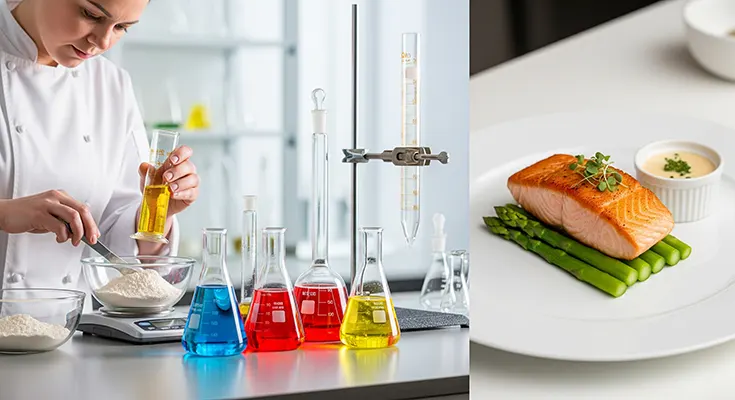
Beyond the Pill: How Culinary Medicine Empowers Health

In a world grappling with a surge in chronic diseases like heart disease, type 2 diabetes, and obesity, the conversation around health is shifting. While traditional medicine has long focused on treatment through medication and procedures, a new and powerful field is emerging: culinary medicine. This discipline goes beyond a simple prescription, blending the art of cooking with the science of medicine to empower individuals to prevent chronic disease through the food they eat every day.

The Culinary Medicine Philosophy: From Knowledge to Action

At its core, culinary medicine is about translating abstract nutritional science into practical, accessible skills. It recognizes that telling someone to “eat less salt” or “eat more vegetables” is often not enough. A person needs to know how to prepare a delicious low-sodium meal and how to incorporate more vegetables into their diet in a way that is both enjoyable and sustainable.

Culinary medicine programs, often …

View More Beyond the Pill: How Culinary Medicine Empowers Health
Unlocking a Universe of Flavor in High-Temperature Cooking

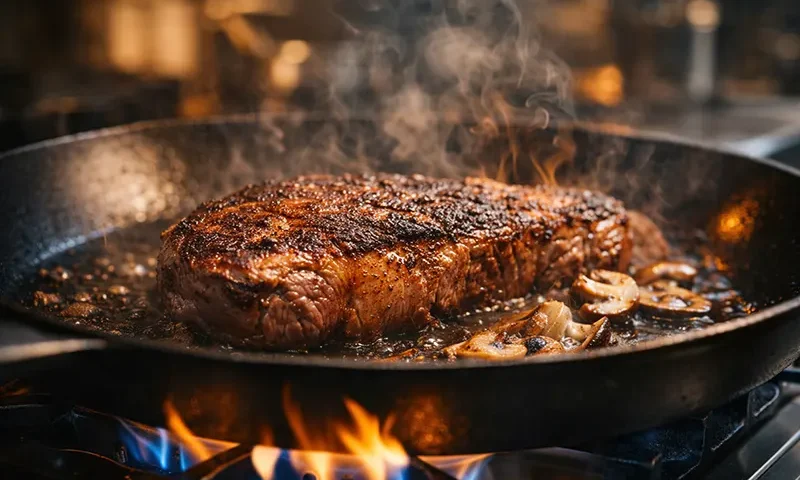
The Maillard Reaction: Unlocking a Universe of Flavor in High-Temperature Cooking

Have you ever wondered what makes a seared steak so savory, a golden-brown piece of toast so comforting, or the crust of freshly baked bread so irresistible? The answer is not just one ingredient but a complex chemical process known as the Maillard reaction. Named after French chemist Louis-Camille Maillard, this reaction is the single most important flavor-generating process in the world of high-temperature cooking. It is a non-enzymatic browning reaction that transforms simple sugars and amino acids into hundreds of new flavor compounds, creating the deep, complex, and savory notes we crave.

The Chemistry of Culinary Magic

The Maillard reaction is a series of intricate chemical events that occur when proteins (specifically, amino acids) and reducing sugars are heated together, typically above 285°F (140°C). Unlike caramelization, which involves only sugars, the Maillard reaction is a more complex interplay between multiple types of molecules. The process begins with a reaction …

View More The Maillard Reaction: Unlocking a Universe of Flavor in High-Temperature Cooking
Beyond the Recipe: The Science Behind Evidence-Based Cooking Techniques

Beyond the Recipe: The Science Behind Evidence-Based Cooking Techniques

For centuries, cooking has been viewed as an art form—a blend of intuition, tradition, and a dash of personal flair. But a growing movement is proving that cooking is also a science, and by understanding the evidence-based principles behind our culinary techniques, we can achieve not only better flavor and texture but also a healthier and more nutritious meal. Evidence-based cooking is a discipline that applies scientific research on food chemistry, nutrition, and food safety to everyday cooking practices. It’s about moving beyond simply following a recipe and understanding the “why” behind what we do.

1. Precision in Cooking: The Key to Nutrient Preservation

Traditional cooking methods, like boiling or deep-frying, can lead to a significant loss of nutrients. Water-soluble vitamins (like Vitamin C and the B vitamins) can leach into boiling water and be poured down the drain. Overcooking vegetables can also destroy heat-sensitive vitamins and antioxidants.

  • Evidence-Based Solution:
View More Beyond the Recipe: The Science Behind Evidence-Based Cooking Techniques